













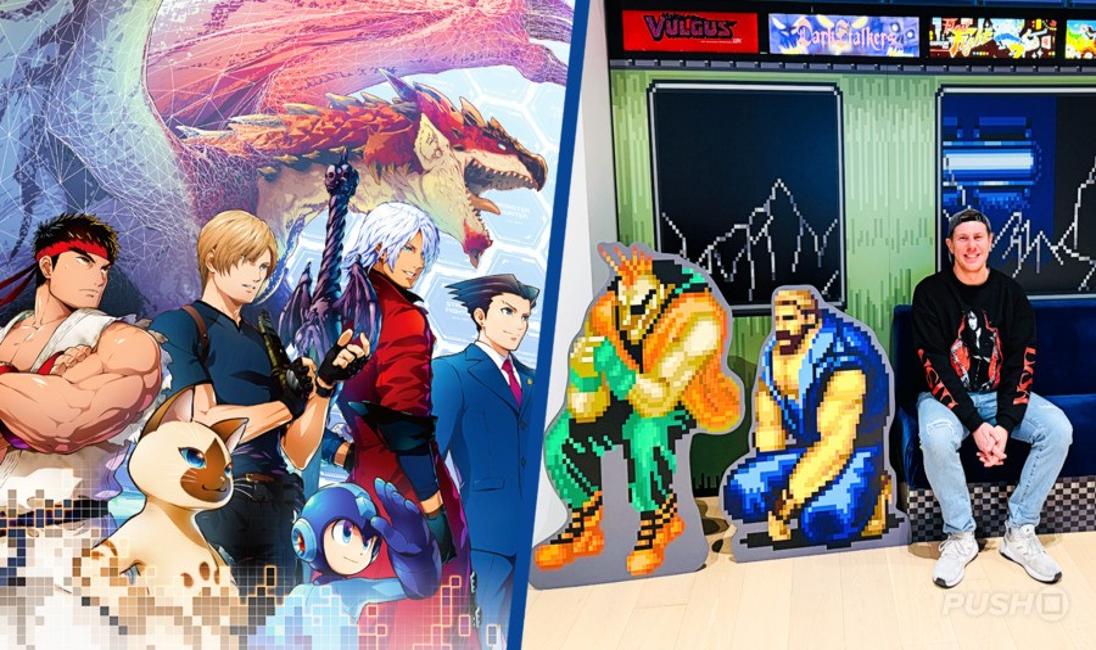
You know, there's something truly magical about seeing a piece of art, a character sketch, or even an environment concept from your favorite video game not on a screen, but right there, in front of you. It hits different. My first encounter with original concept art for an old RPG — I won’t name names, but think pixels meeting high fantasy — actually made me pause. Like, really pause. It wasn't just a pretty picture; it was the genesis of a world I’d spent countless hours inhabiting. And honestly, it made me wonder: how much of this artistry do we actually appreciate when we're busy saving the world or landing a perfect combo?
That's why a Capcom Art Exhibition, especially one popping up in a place like Tokyo, feels like such a significant event. It’s not just for die-hard fans (though, let’s be real, we’ll be there in droves, won’t we?). It’s for anyone who's ever paused mid-game to admire a particularly striking background, or felt a genuine connection to a character's design. It’s a celebration, really, of the often-unsung heroes behind the pixels and polygons.
The Magic Beyond the Screen
Think about it: games are a multimedia experience, right? But the visual storytelling? That's where so much of the initial magic happens. From the intricate monster designs of Monster Hunter, which blend fierce fantasy with biological plausibility in ways that still astound me, to the vibrant, instantly recognizable character silhouettes of Street Fighter, Capcom's legacy is absolutely drenched in iconic artistry. But on a screen, in motion, it’s easy to gloss over the sheer _detail_, the brushstrokes, the pencil lines that started it all. A physical exhibition? That’s where these pieces finally get their well-deserved spotlight.
And it's not just the final renders, either. It’s the iterative process, the countless versions a character goes through before they feel ‘right’. It’s the way an artist grapples with translating a narrative concept into a visual reality. That’s the real gold for me. It makes you think about how even something as seemingly simple as a specific shade of blue in a sky can evoke a particular feeling. I've always found that even the most desolate, haunting landscapes in games can possess a strange, almost cozy beauty, if the art direction is spot on. You know, like the way Majula in Dark Souls manages to feel oddly comforting amidst all the despair.
A Glimpse into Capcom's Legacy
A Capcom Art Exhibition isn’t merely a collection of pretty pictures; it’s a journey through gaming history, seen through the eyes of its creators. Expect to see concept art for Resident Evil that'll probably still give you the creeps even in a well-lit gallery, alongside the dynamic poses and early character sketches for Devil May Cry. Then there’s Mega Man, with its deceptively simple yet brilliantly effective designs that have endured for decades. It's a testament to good design, isn't it?
What I find particularly fascinating is how these exhibitions often reveal scrapped ideas or alternate designs. Like, what if Ryu had a different haircut? Or if Rathalos looked… well, less like Rathalos? These glimpses into the 'what-ifs' of game development really highlight the thoughtful choices made, often under immense pressure, to forge the legends we know. It's not just art; it's a window into creative problem-solving on a grand scale.
More Than Just Nostalgia: Why Art Endures
Sure, there's a strong nostalgia pull to a Capcom Art Exhibition. Seeing early sketches of characters you grew up with? Absolutely, that hits different. But it's also about recognizing the sheer artistic merit. These aren't just commercial illustrations; they're pieces that have influenced pop culture, inspired countless other artists, and defined entire genres. The dedication, the passion, the sheer number of hours poured into making these worlds look believable and engaging… it's something truly special.
And let's not forget the sheer technical prowess. From the pixel art era to the hyper-realistic textures of today, the evolution is stunning. It kind of makes you think about how much care goes into building an atmosphere, doesn't it? Especially when you consider how much weight art carries in defining something new and ambitious, like what we might expect from an upcoming title like Atomfall and its British nuclear disaster setting – the art will truly make or break that experience.
Answering Your Burning Questions About the Capcom Art Exhibition
Got some questions swirling about these unique displays? You're not alone! Here's a quick rundown on what folks usually ask.
Is the Capcom Art Exhibition a traveling show, or is it always in Tokyo?
While major Capcom Art Exhibitions often debut in Tokyo, they sometimes tour other cities globally, so keep an eye on official announcements!
What kind of art can I expect to see at a Capcom Art Exhibition?
You'll typically find a mix of original concept art, character designs, environmental sketches, storyboards, and even 3D model renders from various iconic Capcom titles.
Will there be merchandise unique to the exhibition?
Often, yes! Exclusive prints, art books, figures, and apparel are common at these events, so bring your wallet.
How do I get tickets for the Capcom Art Exhibition?
Tickets are usually available online through the official event website or partnering ticketing platforms, often with advance booking recommended.
Is it family-friendly?
Generally, yes, but some sections might feature art from more mature-rated games, so parental discretion is advised for younger children.
Ultimately, a Capcom Art Exhibition is more than just a trip down memory lane. It’s an opportunity to truly see and appreciate the profound artistic contributions that have shaped our beloved games. It’s about recognizing the artists, the visionaries, and the sheer painstaking effort that goes into crafting digital worlds that resonate with us long after the credits roll. It's a powerful reminder that beneath all the gameplay, there's a beautiful, intricate world of art just waiting to be explored.
- First important point about the content
- Second point with detailed explanation
- Another noteworthy detail
- Final concluding thought