

















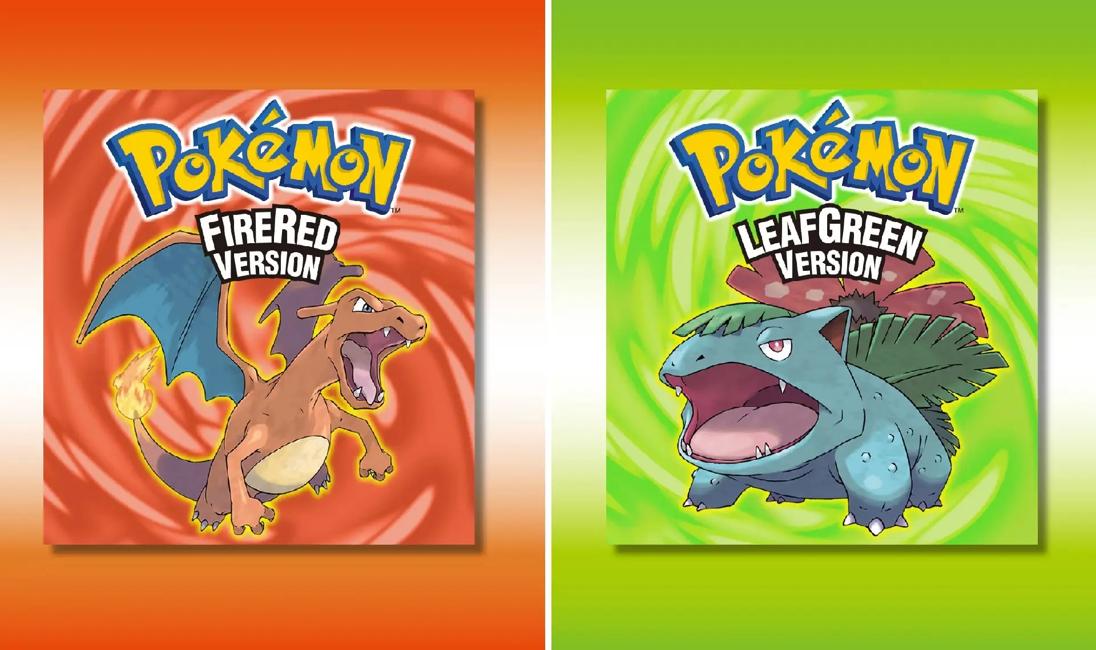
Alright, let’s talk Kanto, generation one, but through a slightly different lens today. You know, those vibrant Game Boy Advance remakes: Pokémon FireRed and LeafGreen. For a lot of us, these weren't just remakes; they were our first real dive back into the region that started it all, often on a shiny new GBA SP. I remember the buzz, the playground debates. Which one did you get? And more importantly, did you ever truly grasp the nuances of the FireRed LeafGreen difference beyond the cover legendaries? Because, honestly, for a long time, I just picked whichever box art looked cooler, assuming they were basically identical twins in different outfits. But oh, there's a little more to it than that, isn't there?
The Kanto Remake Quandary: Why Two?
It’s a classic Pokémon dilemma, isn’t it? Two versions, seemingly the same game, but with enough minor tweaks to make you ponder your life choices (or at least, your allowance allocation). Game Freak, bless their hearts, have been doing this since Red and Blue, and FireRed and LeafGreen were no exception. They brought us back to the original 151, but with a fresh coat of paint, updated mechanics from later generations, and, of course, a few key distinctions. The main FireRed LeafGreen difference, as any seasoned trainer will tell you, boils down primarily to version-exclusive Pokémon. Simple, right? But the ripple effects of that "simple" difference are pretty significant when you’re trying to catch ‘em all.
Beyond the Basics: Version-Exclusive Pokémon Breakdown
This is where the rubber meets the road, folks. Your team composition, your Pokédex completion, your trading strategy—it all hinges on this. In FireRed, you'd find yourself bumping into the majestic Growlithe, which evolves into the mighty Arcanine, an absolute powerhouse. Scyther, the swift bug/flying type, also calls FireRed home. And for those who love their electric-types, Electabuzz pops up. LeafGreen, on the other hand, offered the elegant Vulpix and its evolution Ninetales, known for its special attack prowess. Pinsir, Scyther's beetle counterpart, roamed LeafGreen's wild grass, as did Magmar, the fiery special attacker. It's a classic rock-paper-scissors of exclusives, really. Thinking about strategic Pokémon matchups, these early game exclusives can genuinely shape your journey, even if you don't realize it until much later. I remember vividly wanting an Arcanine for my FireRed team but being utterly dismayed my buddy had LeafGreen and therefore, Ninetales. The horror! The injustice! Just kidding, mostly. But it did mean more link cable trading sessions for us.
Beyond the immediate Kanto 'mons, there are also some differences in the post-game content, specifically related to the Pokémon found on the Sevii Islands. Certain areas might yield different wild Pokémon or rare items depending on your version. For example, some third-generation Pokémon, like Surskit or Masquerain, might be exclusive to one version in certain Sevii Island patches. It’s a subtle nod to the expanded world, making exploration just a tad different for each player. It speaks to Game Freak's meticulous design, actually, ensuring that even in a remake, there's always a reason to peek over your friend's shoulder and see what they're up to. It wasn't just about remaking; it was about refining and expanding the Kanto experience, right? And that's something the developers of upcoming RPGs could learn a thing or two from, don't you think?
Item Availability and Beyond the Elite Four
While the big flashy Pokémon exclusives get all the attention, there are also minute differences in item availability. Think about it: specific hold items on wild Pokémon, or even subtle shop stock variations. These are the kinds of details that only true completionists or competitive players really dive into. I mean, who else but a dedicated trainer would notice that a specific TM is slightly easier to acquire in one version over the other? It might not be a deal-breaker for the casual player, but for someone optimizing their team or farming for specific items, these tiny tweaks become surprisingly important. The core story, the gym leaders, the Elite Four challenge—they're all identical. Which, honestly, is great. It means the foundational experience is shared, but those little nudges towards trading and exploration keep things fresh.
The "Why" Behind the Duplicates: A Marketing Masterclass?
You might be wondering, why bother with all these minute variations? Well, here’s the thing, and this is where the expertise comes in: it’s brilliant marketing, pure and simple. By creating two slightly different versions, Nintendo and Game Freak essentially created a built-in social mechanic. You had to trade. If you wanted that Arcanine and your friend had LeafGreen, guess what? You were connecting your Game Boys, chatting, negotiating, sharing strategies. It fostered community, extended playtime, and, let’s be honest, probably sold twice as many copies of the game as a single version ever would have. It's an economic masterstroke that’s defined the series for decades. I initially thought it was just a "quirk," but after seeing it in action generation after generation, it's clear it's a foundational pillar of their strategy. It encourages interaction, and really, isn't that what Pokémon is all about? Building bonds, not just with your pocket monsters, but with your fellow trainers too?
Frequently Asked Questions About FireRed & LeafGreen Differences
Is there a significant FireRed LeafGreen difference in story?
Nope, the main story, gym leaders, and Team Rocket encounters are virtually identical in both versions. You'll experience the classic Kanto adventure either way!
Which version has better exclusive Pokémon?
That's truly subjective, my friend! FireRed offers Growlithe and Scyther, while LeafGreen has Vulpix and Pinsir. It really boils down to personal preference for your team composition.
Do FireRed and LeafGreen connect to other GBA games?
Yes, they can trade and battle with Pokémon Ruby, Sapphire, and Emerald, allowing you to expand your Pokédex further into Generation 3 creatures.
Can I still trade between FireRed and LeafGreen?
Absolutely, with two Game Boy Advance consoles and a link cable, you can still trade Pokémon directly between the two games. Emulators also have similar functionalities!
So, the FireRed LeafGreen difference, while seemingly minor on the surface, actually contributes to the rich, communal tapestry that is the Pokémon experience. It’s not just about what creatures you catch, but the conversations you have, the friends you make, and the link cables you dig out of dusty drawers. And honestly? I wouldn't have it any other way. These games are more than just nostalgia; they're a testament to clever game design and community building. Now, if you'll excuse me, I think I hear an old GBA calling my name...
- First important point about the content
- Second point with detailed explanation
- Another noteworthy detail
- Final concluding thought