






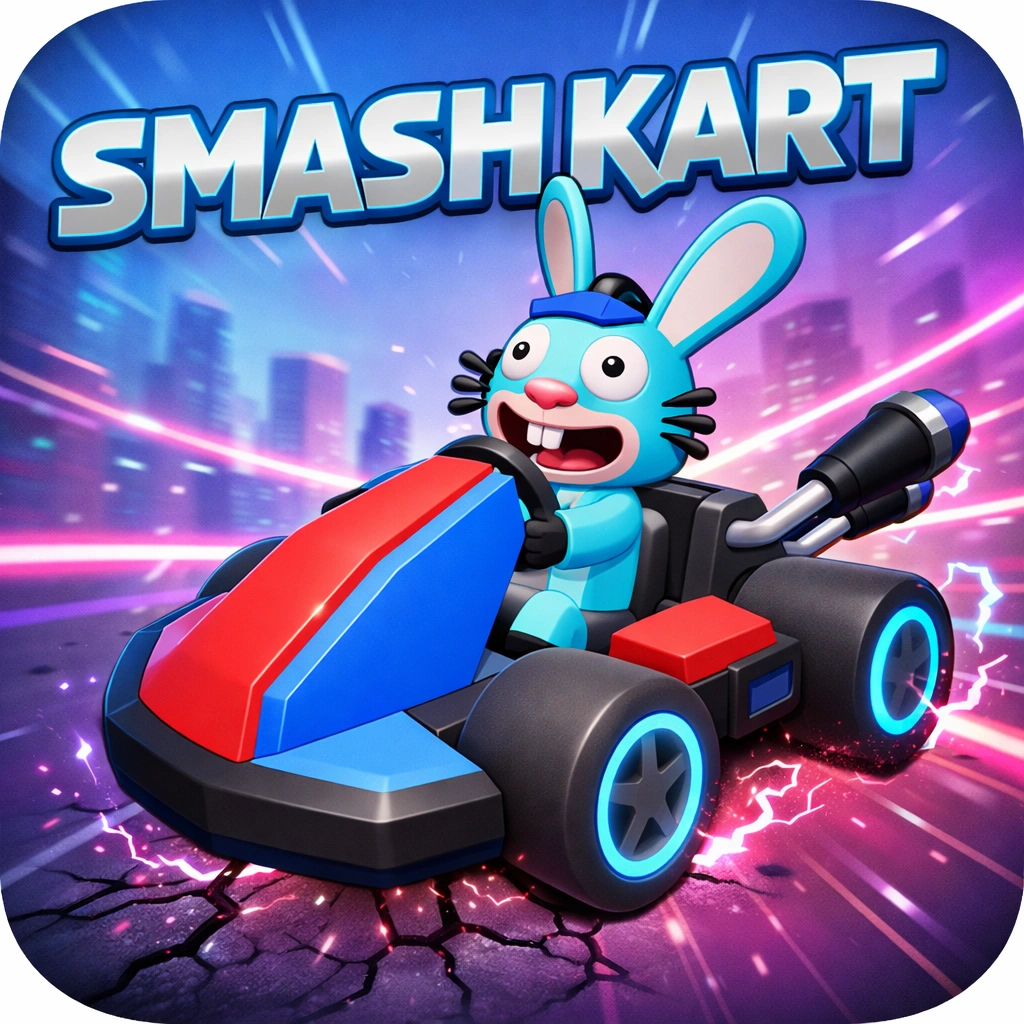









Alright, so we've all been there, haven't we? The dreaded screen time debate. I mean, my own childhood was basically 90% scraped knees and 10% Saturday morning cartoons. But then, poof, the internet happened, and suddenly, our kids are digital natives before they can even tie their shoes. It’s a brave new world, and honestly, sometimes it feels like navigating a minefield, especially when you’re just trying to figure out which online games for kids are actually… good. Not just time-fillers, you know? But genuinely enriching. Yeah, that's the holy grail.
I get it. The sheer volume of options out there? Overwhelming. And not all pixels are created equal, trust me on that. I’ve seen the glazed eyes from too much mindless tapping, but I've also witnessed the 'aha!' moments, the genuine problem-solving, and the pure, unadulterated joy when a child figures something out in a game. That’s what we’re chasing, right? That sweet spot where fun meets actual development.
Beyond Just Tapping: What Makes a Great Online Game for Kids?
So, what sets the truly great online games for kids apart from the digital duds? For me, it boils down to a few key things, and it’s a bit more nuanced than just "educational." First off, engagement is non-negotiable. If they're not hooked, they’re not learning. Simple as that. But then there's the underlying educational value—is it just disguised math problems, or does it foster genuine curiosity and critical thinking? And, frankly, we can’t ignore safety. We need platforms that prioritize child protection, clear privacy policies, and, ideally, aren't constantly badgering them for in-app purchases. It’s a big ask, I know.
Actually, I think a truly great game challenges without frustrating. It makes mistakes feel like learning opportunities, not dead ends. I once stumbled upon a particular type of puzzle game, and honestly, the way it encouraged my nephew to strategize, to really think several steps ahead… it was pretty impressive. And it wasn't preachy at all. That’s the magic, isn’t it? When they're too busy having fun to realize they're picking up new skills.
My Top Picks for Learning & Laughter (Seriously, These Are Good)
Now, I’m not going to list a thousand specific titles, because frankly, what one kid loves, another might yawn at. Plus, games come and go, right? The landscape is constantly shifting. But I can tell you about categories that consistently deliver. Think collaborative building worlds where imagination is the only limit, or logic-based adventures that sneakily teach coding fundamentals without ever mentioning the word "code." And then there are those brilliant narrative-driven experiences that boost reading comprehension and empathy. These aren't just distractions; they're digital playgrounds for the mind.
For parents seeking a wide array of options, often without the hassle of downloads, online game platforms can be a goldmine. Many offer curated collections that balance entertainment with educational value. And hey, if you're looking to explore a whole universe of engaging, browser-based games, you might want to check out general online gaming portals for a broader selection. (Yes, I’m talking about sites like these fun-packed hubs that often have a decent kids' section, though always check age ratings!). My advice? Dive in with them for a bit at first. See how they interact. Are they truly engaged, or just mashing buttons?
It's all about finding those gems among the rubble. And speaking of gems, for a deep dive into what makes great HTML5 games tick, you should definitely have a look at this resource on HTML5 game development; it really gives you an appreciation for the craft behind some of these experiences.
Navigating the Digital Playground: Safety & Screen Time
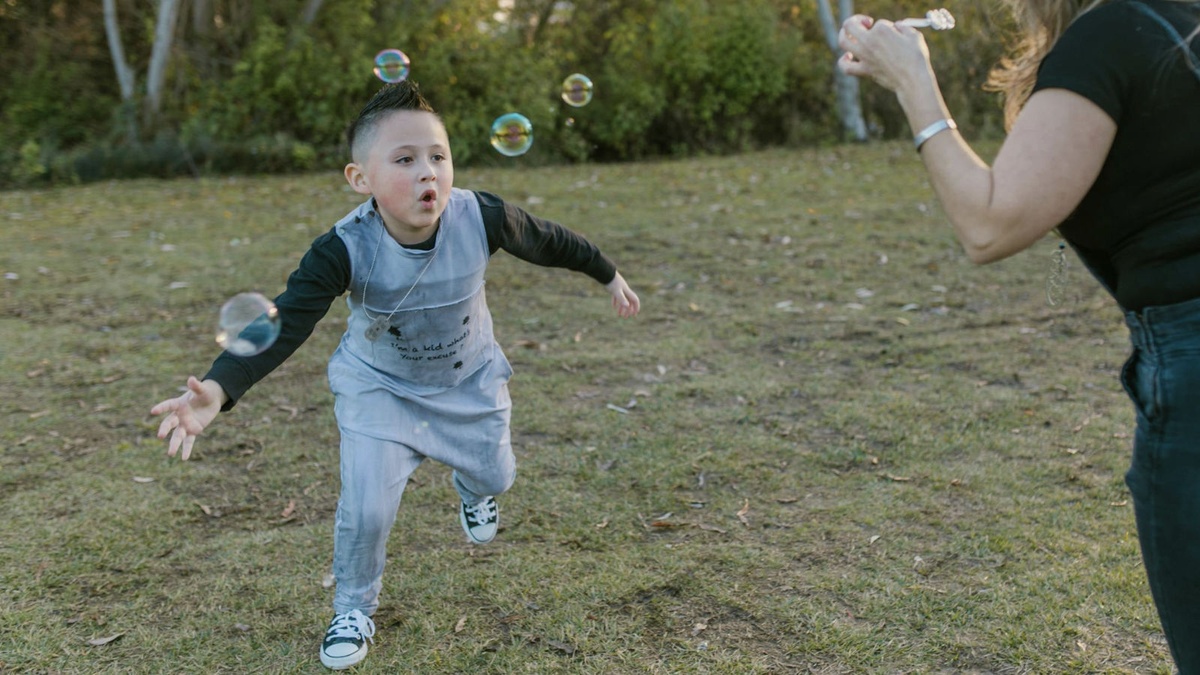
Okay, the elephant in the room: safety. And screen time. How much is too much? And what about all the weird stuff online? Look, there's no magic number for screen time, let's just get that out of the way. What matters more is what they're doing on screen and how they’re doing it. Active engagement versus passive consumption, you know? Many experts, including those in child development fields, advocate for a balanced approach where digital play is integrated alongside physical activity, creative arts, and social interaction. It’s not about banning, but balancing. Which, yeah, is easier said than done sometimes, especially when they're really into a game.
But here’s the thing: parental controls exist for a reason. Utilize them! Set timers, monitor game choices, and talk to your kids about what they're playing. The frustrating thing about this topic is that it’s constantly evolving, so staying informed and having open conversations is, in my experience, half the battle won. No, wait, actually, it’s probably three-quarters of the battle. Seriously. Communication is key.
Not Just a Babysitter: The Unexpected Benefits of Online Games for Kids
I initially thought online games were mostly just a way to keep kids occupied for a bit, a digital babysitter if you will. But after looking deeper, and frankly, observing my own kids and their friends, I’ve realized there’s so much more to it. These aren't just mindless distractions. We're talking about developing serious problem-solving skills, because many games demand logical thinking to progress. Hand-eye coordination? Absolutely. Some even foster teamwork and communication if they're playing multiplayer games (under supervision, of course). My own kiddo once explained a complex strategy from a game to me like he was a seasoned project manager, complete with analogies I actually understood. It was quite a moment, I've got to admit.
Creativity, too, gets a massive boost in sandbox-style games where they can build entire worlds from scratch. The sheer ingenuity I’ve seen is astounding. So, yeah, while we worry about screen time (and rightly so!), let’s also acknowledge the genuine, often unexpected, cognitive and social benefits tucked away in these digital experiences. It's a spectrum, and finding the sweet spots is what parenting in the 21st century is all about, isn't it?
Frequently Asked Questions About Online Games for Kids
How do I choose the best online games for my child?
Look for games that are age-appropriate, engaging, and have clear learning objectives. Always check reviews from other parents and, if possible, play alongside your child initially.
Are all online games for kids safe?
No, definitely not all. It's a common misconception that anything labeled "for kids" is automatically safe. Always vet games for privacy policies, in-app purchases, and content appropriateness.
What about screen time limits?
Instead of strict limits, focus on balanced screen time, integrating digital play with physical activity and other hobbies. Quality of content often matters more than the duration.
Can online games actually be educational?
Absolutely! Many online games for kids are specifically designed to enhance problem-solving, critical thinking, creativity, and even social skills. They're not just digital fun and games.
Where can I find more high-quality online games?
Many educational platforms offer curated lists, but exploring resources like this site dedicated to HTML5 games can also help uncover new, engaging options for your child.
- First important point about the content
- Second point with detailed explanation
- Another noteworthy detail
- Final concluding thought